Column · @distillatedabbingmedia
Choosing the Right Distillate for Dabbing: A Practical Guide
When I first started working with cannabis concentrates, I assumed all distillates were basically the same. A few burnt loads and one particularly harsh session later, I learned the hard way that the quality and composition of your distillate for dabbing matters more than most people realize. Whether you are new to concentrates or have been at it for years, understanding what goes into that jar can save you money, frustration, and a lot of wasted product.
Cannabis distillate is essentially a refined extract that isolates specific cannabinoids and terpenes from the plant material. The result is a potent, often translucent oil that can be used in many ways, but it really shines when you apply heat. That is where dabbing comes in. The goal is to vaporize the concentrate at the right temperature so you get the full flavor and effect without burning off the good stuff. And the type of distillate you choose directly affects how that works.
What Makes Distillate Different From Other Concentrates
If you have shopped for cannabis concentrates, you have probably seen terms like live resin, rosin, BHO, and cannabis oil. Distillate sits in its own category because it is produced through a distillation process that separates compounds by boiling point. That can mean vacuum distillation, steam distillation, or CO2 extraction, depending on the desired outcome. CO2 extraction, for example, uses pressurized carbon dioxide to pull cannabinoids and terpenes from the plant without the high heat that can degrade delicate compounds. The result is a clean, potent oil that works beautifully as a distillate for dabbing.
Solventless methods like rosin pressing use heat and pressure alone, no chemicals. That appeals to purists. But distillates often involve a solvent like ethanol or butane (BHO) to strip the plant material, then the solvent is removed. The final product can be incredibly pure, but the process matters. I have tried BHO that left a chemical aftertaste, and I have had CO2-extracted distillates that tasted exactly like the live resin it came from. The difference is in the refinement.
Delta 8 and Delta 9: Two Cannabinoids, Two Experiences
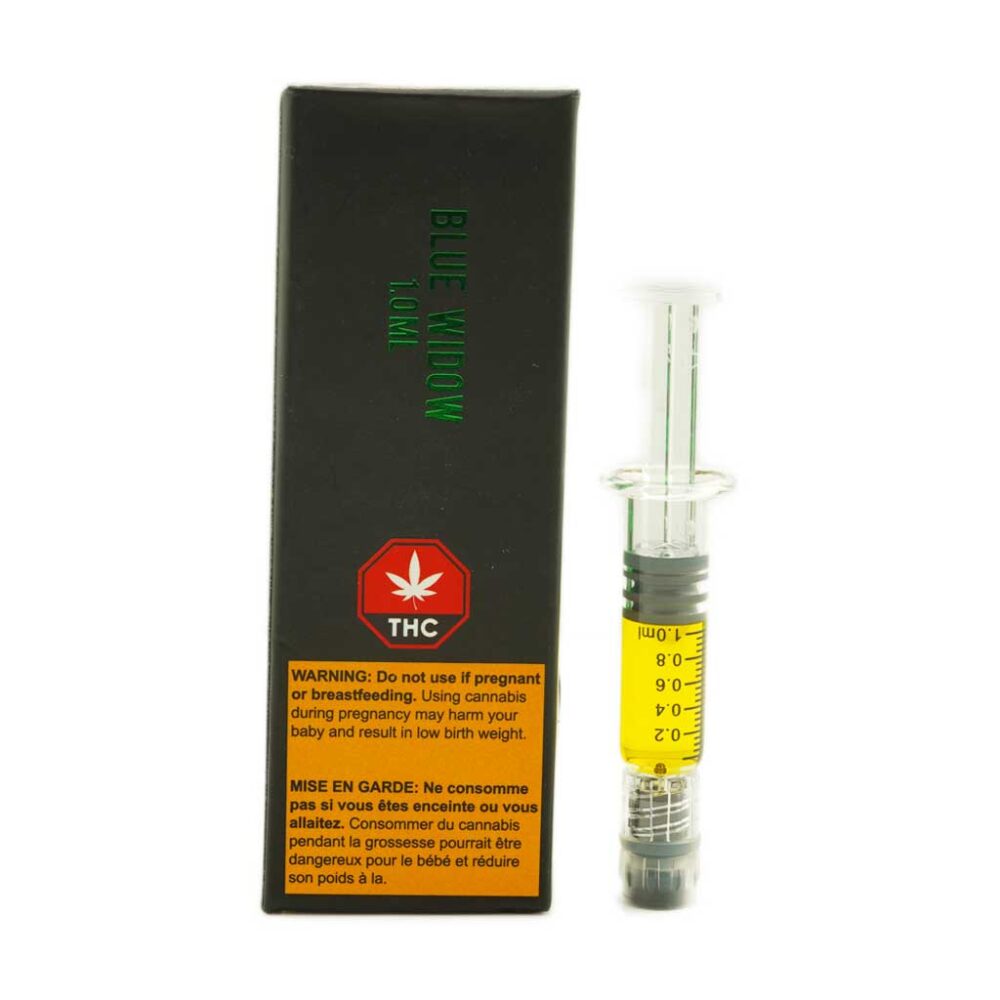
Two cannabinoids that show up frequently in distillates are delta 8 and delta 9. Delta 9 is the classic THC that gets you high. Delta 8 is a close relative that is less psychoactive but still has noticeable effects. Some people find delta 8 smoother, with less anxiety. Others prefer the full punch of delta 9. When you are buying a distillate for dabbing, knowing which cannabinoid is dominant helps you set expectations for potency and experience.
A good shop will label their distillates clearly. If you see a jar that says "delta 8 distillate," it likely contains mostly delta 8 with trace amounts of delta 9. A "delta 9" product is the more traditional high-THC concentrate. Both can be dabbed. Both require proper equipment. But the temperature sweet spot can differ. Delta 9 tends to vaporize at a slightly higher range, so if you are used to one, switching to the other might need a small adjustment on your rig.
Setting Up Your Dab Rig for Distillate
You can dab distillate out of almost any rig, but the setup matters more than you think. A standard dab rig with a quartz banger is a classic choice. Quartz heats evenly and holds temperature well, which is important because distillate can be thin. Unlike a thick rosin that stays put, some distillates are runny. If your banger is too hot, the distillate will vaporize instantly and you will get a weak hit. If it is too cool, it will pool and you will have to reheat, which degrades the flavor.
I prefer using an e-nail for distillate because it keeps the temperature steady. With a torch, you have to guess and wait. An e-nail lets you set the exact temperature, usually between 350 and 500 degrees Fahrenheit, and hold it there. That consistency makes a huge difference with thinner concentrates. If you stick with a torch, practice the cold start method: load the distillate into a cold quartz banger, then heat slowly until you see vapor. It takes some trial and error, but the flavor payoff is worth it.
Terp pearls are another small upgrade that helps. Drop a couple of 4mm or 6mm terp pearls into the banger before you cap it. When you swirl the carb cap, the pearls spin around and spread the distillate across the hot surface. That creates more surface area for vaporization and reduces the chance of leftover puddles. A good carb cap with directional airflow makes the pearls spin faster. It is a simple trick, but it turns an average dab into a clean, efficient one.
Why Droplets Matter
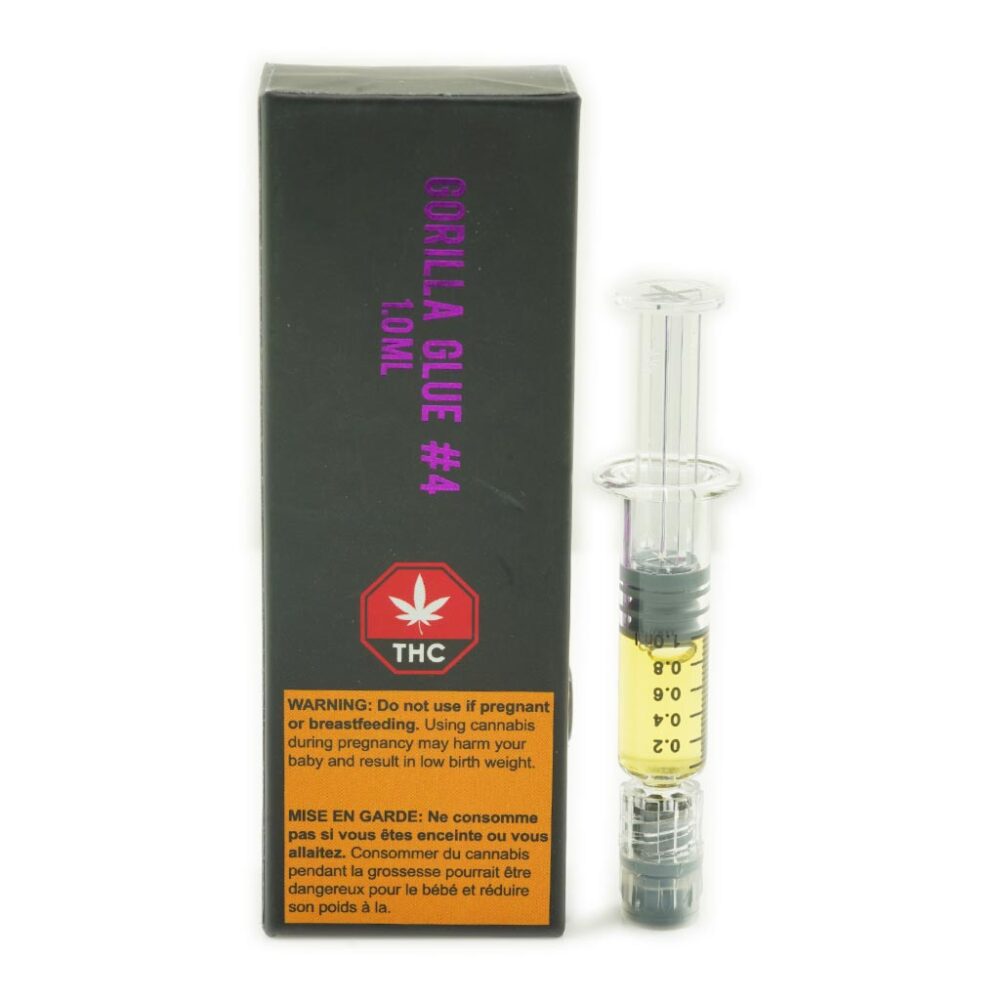
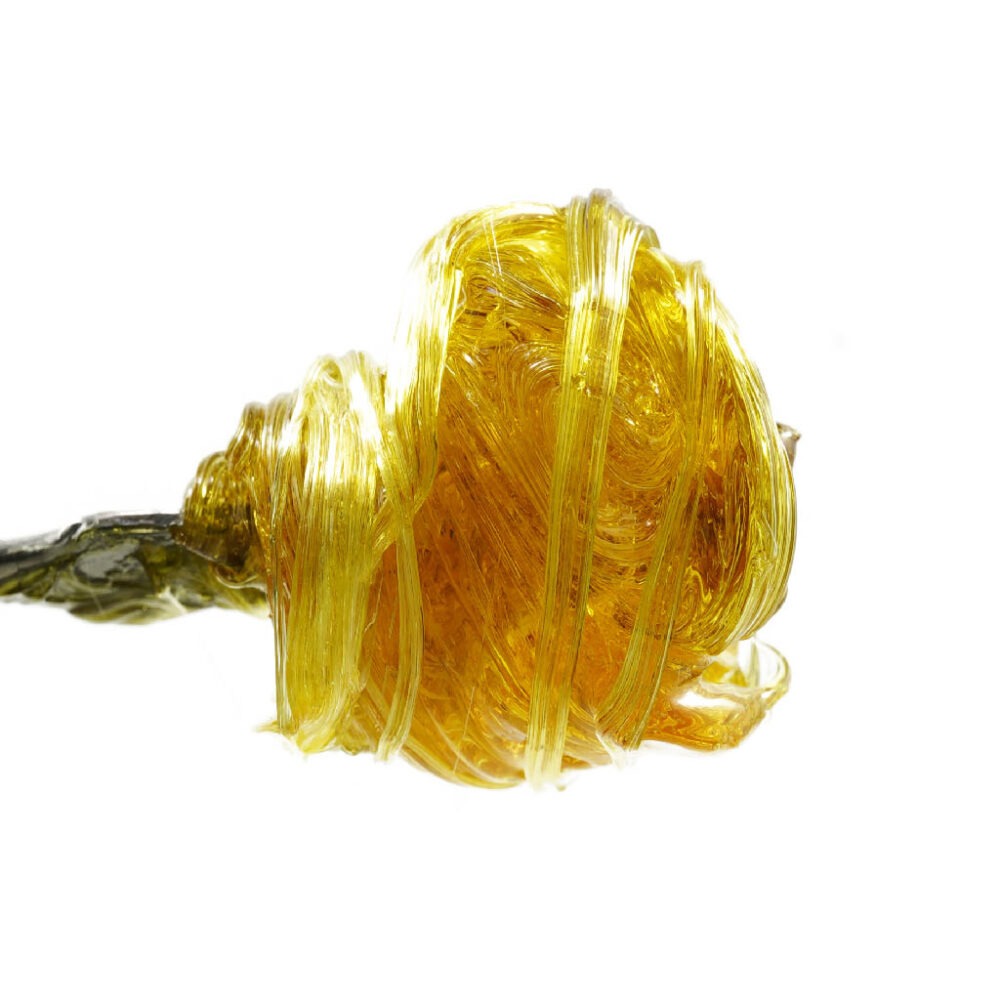
One thing I noticed early on is that distillate often forms tiny droplets instead of a solid pool. That is because of its low viscosity. Those droplets can be harder to vaporize evenly. If your banger is not perfectly flat, the droplets roll to the side and burn. That is why I recommend a flat-top quartz banger with a beveled edge. It keeps the droplets centered. Some people even use a banger with a built-in spinner cap to create a vortex that keeps everything moving.
The Puffco Peak Pro is a popular electronic rig that solves a lot of these issues. It has a ceramic chamber that heats evenly, and you can set the temperature precisely. I have used mine with both delta 8 and delta 9 distillates, and it handles the thin consistency well. The only downside is that the chamber can get stained if you overload it. A tiny drop, about the size of a grain of rice, is plenty for a satisfying hit. More than that and you risk wasting product.
Comparing Distillate to Other Concentrates
Not every concentrate works the same way in a dab rig. Live resin is made from fresh, frozen plants and retains a lot of terpenes, so it has strong flavor. But live resin is often stickier and less refined than distillate. Rosin is solventless and very pure, but it can be waxy and leave residue. Cannabis oil can range from thin to thick depending on how it is processed. Distillate sits in the middle: thin enough to vaporize quickly, but refined enough to leave minimal residue if you dab at the right temperature.
I have done side-by-side tests with the same strain processed as rosin and as a CO2-extracted distillate. The rosin gave a heavier, more buttery vapor. The distillate was cleaner, with a sharper flavor profile. Both were good, but the distillate felt smoother on the throat. That smoothness comes from the removal of plant fats and waxes during distillation. If you have a sensitive throat or just prefer a clean hit, distillate is often the better choice.
Practical Tips for Buying and Using Distillate
- Check the label for extraction method. CO2 extraction and solventless distillates are generally cleaner. BHO can be fine if properly purged, but ask about the process.
- Know your cannabinoid content. If you want a milder experience, look for delta 8 distillate. If you want full potency, go with delta 9.
- Store distillate in a cool, dark place. Heat and light degrade cannabinoids fast. A small glass jar with a tight seal works best.
- Start with a small dab, especially if you are new to distillate for dabbing. The potency can surprise you.
- Clean your quartz banger after every few dabs. Distillate can leave a thin film that builds up and affects flavor.
The last point is one I wish someone had told me earlier. I used to let my banger get cloudy, thinking it was just normal wear. But that cloudiness is actually leftover carbon and residue. A quick swab with a cotton tip after each dab keeps the quartz clear and the flavor fresh. If you let it build up, every dab starts to taste slightly burnt, no matter how good your distillate is.
Final Thoughts on the Distillate Experience
I have tried a lot of concentrates over the years, and distillate remains one of my favorites for dabbing because of its versatility. It works well in a traditional torch-and-banger setup, in an e-nail, or in a portable rig like the Peak Pro. The key is matching the product to your equipment and your tolerance. If you are buying a distillate for dabbing, take a moment to read the lab results if they are available. Look for high cannabinoid content and low residual solvent levels. That is the sign of a well-made product.
Whether you prefer delta 8 or delta 9, or a blend of both, the distillate category offers a clean, potent way to experience cannabis concentrates. It is not the only option, but for anyone who values flavor and efficiency, it is hard to beat. Just remember to start low, go slow, and keep your gear clean. That is the real secret to enjoying distillate the way it was meant to be enjoyed.